
The Future of Digital Payments for Governments

Digital payments are quickly becoming the norm for nearly all types of consumers. In fact, you would be hard-pressed in today’s world to find a retailer that does not offer at least one form of digital payment. And while government agencies haven’t always kept up with the private sector in adopting the latest technologies, more and more public entities are joining the digital payments revolution.

And it’s no wonder why. Digital payments are widely trusted and have become firmly embedded in customers’ habits. They’re going to continue gaining popularity—nearly half (43%) of all payments in the U.S. and Canada in 2025 will be cashless—and use among all industries is expected to explode in the coming years. In fact, a recent study from Juniper Research determined that the number of unique digital wallet users will exceed 4.4 billion globally in 2025. That’s a nearly 52% increase from 2.6 billion unique users in 2020.

And while digital payments primarily improve the customer experience by providing a convenient and secure way to pay, they also provide the departments and agencies that offer digital payment services the opportunity to convert in-person users to more convenient and inexpensive channels. What’s more, the right digital payments platform can help governments mitigate the risk of fraud and cyberattacks. It’s a win for everyone.

On the other hand, public entities have historically been slower on the uptake. As of 2024, just 4.9% of local governments had implemented online payments. Between concerns with personnel resources, budget, compliance and cybersecurity, governments have historically been skeptical of the value that digital payment options would bring to their constituents.


Government Digital Payment Solutions

Fast forward to now, as government leaders become increasingly excited to explore digital payment options. Many cities have begun exploring digital payment options, while others have already gone digital and are even looking for expansion options within their newly adopted platforms. Let’s take a closer look at the roadblocks to adoption and what’s at stake for elected officials and their constituents.

For a while, concerns about credit card fees and integrating digital platforms with existing, older processing infrastructure slowed local and regional governments’ embrace of government digital payment options. But that landscape has changed, and digital payments options will continue to become less cost prohibitive—especially as government entities tally the cost savings they can realize by automating payments and reducing in-office employee hours dedicated to check processing.

In addition to opening opportunities for more payment receipt methods, taking digital payments generates data that government agencies can analyze to help them form a holistic view of all constituent transactions. This data tracking and analytics enables departments to create a more seamless experience for paying constituents. For example, account owners can log in to one portal and see all account balances and schedule payments. They can also opt in to receiving automated text reminders about payment dates.

While governments offering digital payments might promise a seamless experience and a path to modernization, there is one obstacle government agencies need to overcome: the security of personal information.


Overcoming Security Issues with the Right Digital Government Payments Platform

Governments collect and store some of the country’s most sensitive data and are visible targets for cybercriminals both domestic and abroad. That’s why protecting sensitive information is easily government agencies’ top priority: ensuring this information is kept safe is a matter of national security. Concerns about cybersecurity and damaging data leaks have made many local and regional governments ultra cautious about adopting digital payment options. But despite these challenges, government agencies must find a secure solution.

Most importantly, they need to pay attention so they:

  • Ensure adherence to compliance measures. Payment Card Industry (PCI) and National Automated Clearing House Association (NACHA) standards dictate how businesses collect, store, and work with sensitive constituent information. Any digital payment solution will have to check off these boxes.
  • Uphold the public’s trust. Constituent confidence is directly related to the feeling of safety when making digital payment transactions. Attention to security will fortify defenses and help to develop and retain constituent confidence.

To navigate this concern with caution, government entities should partner with a trusted payments provider who can protect constituent data while ensuring seamless digital payment offerings. Fortunately, there are many technologies available to prevent hacks and provide secure payments. Governments should ensure the digital solutions they adopt include cybersecurity protections like end-to-end encryption, multifactor authentication and tokenization.

From there, the digital solutions provider establishes clear lines of communication with constituents to help them understand the measures in place that ensure the security of their data. Not only does this bolster constituent trust, but two-way communication can allow constituents to flag phishing schemes and scams they receive from fraudsters. Scammers that pose as government entities to gather payments are common, unfortunately. With an open line of communication and these security must-haves in mind, governments can act against fraudsters and stop them from doing more damage.


Resource Allocation: Digital Payments Payoff

Resource allocation is a significant concern for most government agencies, especially in volatile election years. Adopting cutting-edge technologies that prevent hacks may be an obvious expense for a large e-commerce brand, but government purchasers are under extreme scrutiny and the consideration and purchase processes necessitate a longer and more detailed approval procedure. However, there are clear benefits to adopting digital payments capabilities. In many cases, the technology pays for itself in the long term.

With more digital integrations, like a user-friendly customer portal and automated text messages to remind residents of upcoming payments, constituents are more likely to pay their bills on time. As a result, your department can limit constituent frustration around late fee charges, save resources on resolving complaints and reduce the time it takes to issue late notices.

The COVID-19 pandemic made digital and touchless experiences vital for immunocompromised residents and critical for the health of all. It’s important to note, however, that maintaining traditional payment methods is also crucial to accommodating all demographics and needs. With more tech-savvy consumers and a younger, digitally fluent population, offering the option of digital payments while still accepting more traditional forms of payment helps create a more seamless and positive experience for more people from more walks of life.

Increased digitalization also reduces the need for personnel to manage payments, allowing governments to reallocate staff to more strategic and impactful departments and missions. Government leaders can even reduce manual processes and simplify reporting activities, allowing the department employees to focus their attention and resources on activities that positively impact their communities and improve the constituent experience and bridge a closer and more fluid connection with residents.

All said, elected officials have a real motive to meet this demand from constituents, and the reasons for government entities to hesitate to adopt the latest and greatest in digital payments solutions are quickly vaporizing. The ability to implement and carefully manage these solutions will be important to maintain constituent goodwill, generate revenue, and provide greater accessibility now and into the future.

Are you ready to offer your constituents the payment experience they expect on their channel of choice? Contact one of our experts to take the first steps toward implementing CSG Forte’s multichannel payment solutions to transform your payment processing.


How To Choose a Payments Partner for ISVs

Need to add a payments partner to your existing ecosystem? Or introduce the first one to your platform? There are plenty of options out there. But to keep it easy and keep costs down, you’ll have to find a reliable payments partner for easy integration.

Choosing the right payments partner is an important decision for independent software vendors (ISVs) aiming to improve the user experience and keep customers happy. A strong partnership leads to smoother transactions, fewer risks and greater trust. A weak one may breed confusion and frustration.

When selecting an integrated payments partner, there are many factors ISVs must weigh in their decision-making. We’ll focus on the most critical considerations to prioritize, and we’ll recommend four questions to ask any potential payments partner.


What Should ISVs Look for in a Payments Partner?

The payments partner you choose can be the difference between a streamlined integration and a protracted headache. Given the complexities involved, ISVs must carefully consider whether or not a partner aligns with their business needs. From APIs to developer support, ISVs should start by looking for these essential criteria when assessing potential payments partners.


Comprehensive Application Programming Interfaces (APIs)

One of the most critical aspects ISVs should evaluate is the quality and functionality of the payment partner’s APIs. A well-documented and flexible API means fewer roadblocks during implementation and a better ability to customize the user interface (UI). Presenting an intuitive UI becomes particularly useful in industries like government or healthcare, where there is a broad range of technological savvy amongst users.

ISVs should look for APIs that are fully controlled and fully developed, with the ability to capture information quickly and support the full lifecycle of the merchant journey—from onboarding to processing and refunding to disputing transactions. Having a robust API gives ISVs faster speed to market, freeing you up to focus on your core product.

Equally important is the availability and clarity of developer documentation.

Comprehensive, easy-to-understand documentation is essential for an ISV’s developers to implement and troubleshoot the new payment solution effectively. Detailed guides, code samples and FAQs can accelerate the integration process and minimize errors. When documentation is regularly updated, ISVs are always aware of new features, updates and best practices, keeping payment systems current and efficient.


Innovation Roadmap

Payment systems need to keep pace with changes in regulation, security and technology, That’s why you’ll want to know the development and innovation track the provider follows.

Make sure your payment partner’s product roadmap aligns with your industry-specific needs and emerging trends. A partner that demonstrates a clear understanding of your sector and is proactive in addressing future challenges will ensure long-term compatibility and success.

Look for payment providers that have consistently attained their roadmap goals, showcasing their ability to deliver on promises and keep pace with innovation. Strong customer testimonials are also key evidence of their effectiveness in real-world applications. Industry recognition and awards from respected payment research firms, too, can point to their reliability and forward-thinking approach.


Dedicated Technical Payment Expertise

Even with excellent APIs and documentation, having access to technical payments experts maximizes the benefits of a new payment solution for ISVs. It also ensures ISVs are adhering to industry standards and best practices, compliance regulations and niche functionality of the processing platform. A payments partner that provides personalized support can help resolve issues faster, minimize wasted time, tailor solutions to your specific needs, and inform you of new releases and their impact on your integration.

ISVs should look for a payments partner that solicits input from their clients and makes its experts accessible, helping them understand best practices for the platform. Dedicated support optimizes integration and reduces downtime, which helps ISVs and their users get the most value from the payments platform.


Flexible processing models

Finally, ISVs must consider the flexibility of a potential payment processing model. Can their partner support a quick, easy and hands-free referral partnership? Or equip them to support an embedded payments model that provides a great user experience and financial benefits? Your business needs will evolve over time, and your payments partner should be able to scale with you. Look for partners that offer scalable solutions, transparent pricing, robust partner-level research, and the ability to automate transaction and account management.

Flexibility in processing models ensures that as an ISV’s business grows, their payment solutions remain efficient and cost-effective, supporting expansion without unnecessary—or costly—complications.


4 Key Questions ISVs Should Ask When Choosing a Payments Partner

How can ISVs determine whether a payment service provider will check all the boxes?

Here are four essential questions ISVs should ask before signing on the dotted line:


1. What does the contractual agreement entail?

When you sign up with a new payments partner, is what you see what you get?

Understanding the complete terms of the contractual agreement is the first question to ask a provider. ISVs should inquire about the length of the contract, any automatic renewals and the flexibility to adjust terms as their business evolves.


2. What is the pricing structure?

Likewise, ISVs need to know a potential partner’s pricing and fee structure. What are the commission rates? Are there any additional fees or hidden costs that could impact the overall profitability of the partnership?

Compare the effective revenue share after accounting for all associated fees. This helps ISVs guarantee they are getting a fair deal and accurately predict the costs involved.


3. Do ISVs gain visibility into the onboarding process?

Efficient onboarding means faster speed to market and less stress for ISVs. Transparency expedites the process. How much visibility will the payment service provider offer?

ISVs should ask potential partners about the steps involved in onboarding new merchants and how long it typically takes. When an application is pending approval, will you know what’s going on behind the scenes? Or will miscommunication drag out the process, leaving money on the table and frustrating customers?

It’s important to understand how the payment service provider manages these stages to stand up new merchants with minimal delay. If an ISV can stay informed each step of the way, then can intervene when necessary to catch errors early and keep things moving.


4. How will ISVs realize their revenue?

ISVs need to understand the functional differences in the transaction processing offered by a payments partner. Ask to model scenarios based on how you intend to use the provider’s platform. Then you can determine how you can fully realize the revenue you expect.


Choose a Payments Partner You Can Trust

The payments partner you choose carries serious implications for your long-term business efficiency and growth. Transparency is the foundation of trust: Do you know if the provider will keep you informed every step of the way? When things go wrong, are you right on the front line, or the last to know? ISVs need to have confidence that the provider they choose will be a true partner.

Use an experienced payments partner that is not only easy to integrate with, but also easy to do business with. CSG Forte’s flexible processing models, comprehensive support and transparent pricing give ISVs a reliable partner that can adapt to your future needs.

Contact us to learn how we can help you achieve an easy integration and support your business growth.

Recurring Payment Systems: How a Great One Can Boost Your Bottom Line

Your payments platform is supposed to be drawing revenue, right? Unfortunately, poor payment processes could be costing you—both customers and money. How can that be? Complicated, disjointed payment processes can frustrate customers, eroding trust and leading them to choose a different provider. On the other hand, providing the right payments platform makes it easy for customers to keep paying their bill and for you to keep growing your business.

Generating consistent revenue is critical for any business, and having a robust recurring payments platform is a key factor to making that happen. But not all systems are created equal. The best payments platforms have several key features that distinguish them from competitors and can have a significant positive impact on your bottom line.


Recurring Payment System Core Functions

A recurring payment system is designed to automate regular payments from customers, ensuring that payments are processed on a consistent schedule without the need for manually inputting payment information every billing cycle. Core functions that a payments platform should offer include:

  • Payment scheduling: Customers have enough to remember without having to mark their calendars to pay a bill every month. Automating the collection of regular payments helps ensure customers pay their bill on time and consistently (weekly, monthly, annually, etc.).
  • Payment processing: No one remembers their credit card number or account information, and digging a card out to make a payment is a pain. Automating the payment process (ACH, credit cards, etc.) ensures customers can make consistent and timely payments without the need for manual input, making customers happy and helping your business run smoothly. Additionally, using a payment solution that leverages tokenization for recurring payments ensures payment data is kept safe and out of your systems.
  • Invoicing and notification capabilities: Customers like surprises, but not on their bills. Automating your company’s invoicing and payment notification capabilities means your customers are informed about their payment amounts, including any changes, enhancing transparency, satisfaction and reducing missed payments.


Recurring Payment System Must-Haves

Many businesses rely on recurring revenue models to ensure steady growth and financial stability in today’s digital, often subscription-based, purchasing world. Their payment systems are the engines for those models, powering customer satisfaction, operational efficiency and revenue consistency. A payment system must offer a range of features that cater to both the business’s needs and the customer’s expectations, such as:

  • Customization and automation: The best recurring payment systems offer customization and automation options. Customers can choose different payment schedules or methods, and browse available plans, current promotions and key features, allowing them to feel in control of their options. Automated retries for failed payments help reduce customer frustration and missed payments.
  • Security and compliance: The best systems ensure Payment Card Industry Data Security Standard (PCI DSS) compliance for card payments, implement strong data encryption and have robust fraud detection measures. Leveraging tokenization can also help ensure recurring payment data is kept secure. Trust and security are crucial for building long-term relationships with customers.
  • Self-service options: A great recurring payment system has intuitive user interfaces for payment management, empowering customers to manage their payments gives them a sense of control, which increases satisfaction and loyalty. Making it simple for customers to change or cancel their recurring payments is also a key feature that helps keep them returning to your site.


Juniper Research Can Help You Choose the Right Payment System

Juniper Research, a leading analyst firm in the mobile and digital tech sector, predicts that recurring payments will present a $15 trillion opportunity by 2027. “This means now is the time for vendors in the space to stay agile and embrace customer choice,” said Nick Maynard, VP of fintech market research at Juniper Research. “CSG consistently surpassed our evaluation criteria for innovation, user experience, compliance and security in a highly competitive field.”

Juniper Research recently recognized CSG Forte Engage at the 2024 Future Digital Awards for Fintech & Payments, awarding CSG a Platinum win in the Omnichannel Payments Platform category and Gold in the Recurring Payment Platform Innovation category. Juniper identified Forte Engage as a standout recurring payments platform because it “offers a true omnichannel experience to help improve customer satisfaction and engagement while mitigating late, failed and abandoned payments.”

CSG Forte Engage can help your company increase its revenue and reduce customer churn while complying with evolving security requirements. Here’s how:


Increased revenue and predictable cash flow

  • A reliable system ensures on-time payments and reduces missed revenue opportunities.
  • Automation reduces errors and streamlines manual work for billing teams, cutting down on administrative overhead.
  • CSG Forte Engage scales easily with your business as your customer base grows.


Customer retention and reduced churn

  • Smooth multichannel billing experiences improve the customer experience and increase brand loyalty.
  • Easy payment management and flexible billing options lead to longer customer lifecycles.


By investing in the right payments system now, you can prevent facing costly migrations in the future. The best recurring payment systems, such as CSG Forte Engage, stand out for their flexibility, automation, security, integration and superior customer experience.

You can accept and manage recurring payments easily with CSG Forte. Schedule payments, verify accounts, handle returns and minimal downtime with our robust payment platform. Contact CSG for more details or sign up today.

Elevate Your Government Services with Multichannel Payment Processing 

In an era when digital services are continuously transforming the way we live and work, government agencies are not exempt from consumers’ higher-than-ever expectations for seamless and flexible payment experiences. Not only are consumers becoming more comfortable with making online payments services (nine out of 10 used a form of digital payment in the past year, according to a recent survey), but they’re also expecting more out of their payments platforms—and that includes government agencies.

Constituents have come to expect the same level of convenience and modernity from their public service providers that they receive from the private enterprises they buy from. But it’s been challenging for government entities, with their wide range of services and offerings, to keep pace with those expectations. They face distinct payment obstacles due to legacy systems, outdated processes, limited budgets and changing regulations—and constituents have taken notice.


Why Multichannel Payments Processing?

Offering multichannel payment processing can enhance CX while also improving operational efficiency. Government agencies that offer the flexibility of multichannel payment processing, which is the ability to accept payments via several platforms or channels, give constituents multiple convenient options to complete transactions. For example, constituents might have the option to pay via an interactive voice response (IVR) system, through a secure website or even using an in-app payment feature on their smartphones. Agencies can cater to different preferences and needs, fostering a more user-friendly and efficient experience.

Providing a broad selection of ways to pay can also help government agencies, many of which are already contending with budget cuts and increasing costs, to collect on delinquent accounts by allowing payers to use their preferred payment method. That’s why it’s so important that government agencies choose an experienced, knowledgeable software provider that can tailor the program to that department or agency’s unique needs—whether that’s a municipal internet connection, electrical service, garbage pickup or any other essential government-provided service.


More Channel Choices, Less Constituent Burden

Think about the last time you paid a bill. Whether it was your utility bill or a parking fine, chances are you wanted the process to be quick, easy and flexible. Your constituents who engage with the government services you offer are no different.

By leveraging multichannel payment processing, agencies can ensure more timely payments while reducing the burden on their administrative staff as well as customers, who report feeling overburdened by the “time tax” associated with interacting with government agencies. It also increases trust in your constituents’ perception of public agencies, which a recent McKinsey & Company survey found is suffering among most constituencies.


Personalizing the Government Payment Experience

Consumers want choices, whether they are paying taxes, fines or service fees. They want personalized self-service options. Unfortunately, the current state of government payment systems often lacks the personalization and flexibility that constituents crave.

Government agencies often grapple with outdated, fragmented payment systems that make it difficult to offer consistent and personalized CX and may make for more difficult reconciliation processes. To meet both consumer expectations and strict government regulatory requirements, payments must be secure and compliant across all channels. Having a payments platform with comprehensive reconciliation capabilities ensures efficient and correct reporting and auditing processes—a must for government agencies.


Related Article: Navigating the Complexities of Payment Processing in Government Institutions


The Multichannel Payment Journey in Government

What does a multichannel payment journey look like for government services? Let’s walk through an example:

  • Initial notification: The consumer receives a notification that their utilities payment is due. Depending on their preferences, they receive an email notification or text message with a payment link, or statement in the mail that includes a QR code linking to a payment gateway.
  • Payment initiation: The consumer clicks the link or scans a QR code to a secure payment page.
  • Payment secured: The consumer enters their payment information, and the transaction is processed securely.
  • Future service options: The consumer opts into the offered automatic payment program (if they aren’t already enrolled) and chooses to receive text notifications so they know when to expect their next bill.

Here you can see how multiple channels integrate to provide a flexible and convenient payment experience for constituents.


Related Article: Understanding Multichannel Payments


Offering a Payment Channel for Everyone

Today’s consumers have diverse preferences when it comes to making payments. CSG Forte offers a variety of options to ensure everyone can pay in a way that suits them, including:

  • SMS (text) message: Constituents can just click a link within an SMS message that directs them to a personalized invoice for payment. Two-way texting encourages on-the-fly questions and organic interactions that increase trust.
  • Contact center: With CSG Forte, contact center agents can securely process payments over the phone, reducing the average payment call length by over three minutes per call.
  • Interactive voice response: IVR payments are accessible 24/7, they don’t require an internet connection, and they cost less to process than live payments taken by a call center agent.
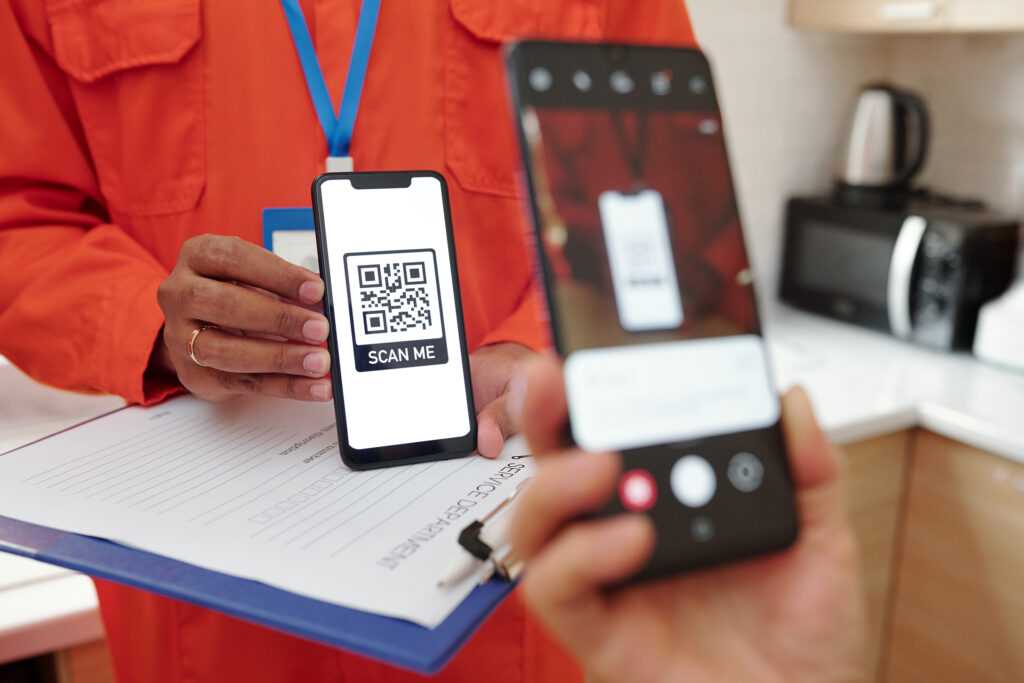
  • QR codes: Printed statements can include these two-dimensional barcodes, which can link to personalized invoices. Agencies can even enable field-based employees to generate QR codes for quick on-site payments.
  • Email: Email remains a reliable channel for a large portion of constituents, whether they’re getting the initial statement or notice of a failed payment attempt they need to reconcile.
  • In-person payments: Agencies can literally meet people where they’re at with secure point-of-sale devices and card readers, ensuring quick transactions and better CX.


CSG Forte: Delivering a Modern Government Payment Experience

CSG Forte offers numerous benefits that pave the way for personalized payments and better outcomes for government agencies:

  • Improved cash flow: By processing payments on constituents’ preferred channels, agencies can encourage prompt payments and improve collections.
  • Fast time-to-value: CSG Forte’s low- to no-code solutions allows agencies to personalize the payment experience quickly, often in days or weeks—not months.
  • Payment security: Whether via SMS text or a call center agent, CSG Forte’s payment platform ensures secure processing on all channels.
  • Effective payment reminders: Sending reminders on constituents’ preferred channels increases the likelihood of on-time payments.
  • Enhanced consumer experience: Offering consumers the ability to pay on their channel of choice and seamlessly switch channels during the payment process provides a personalized and frictionless experience.

Just like paying taxes is inevitable, governments are no longer exempt from offering the multichannel payment experience their constituents have grown accustomed to. CSG Forte helps government agencies to meet these expectations, providing a secure, efficient and consumer-centric payment solution. By embracing multichannel payment processing, agencies can enhance CX, find uncollected revenue and save agency employees time and effort, allowing them to focus on other administrative tasks.

Are you ready to offer your constituents the payment experience they expect on their channel of choice? Contact one of our experts to take the first steps toward implementing CSG Forte’s multichannel payment solutions to transform your payment processing.

How to Verify an eCheck

If your business accepts payments, staying up to date about check verification is crucial. This is especially important as technology evolves and eChecks and ACH payments are becoming more prevalent. Accepting a bad or fraudulent check that bounces can cost you money.

You can verify eChecks manually or through an automated process. Both methods can help you verify if the check is valid, but you won’t always be guaranteed there’s money in the account when the check clears. Adopting robust options to verify eChecks and ACH payments can assist in authenticating captured data before processing and authorization.

Manual eCheck Verification

You can manually check for verification by examining some crucial details of the sender. Ensuring they have valid proof of identity can be the first step, after which you can look for any suspicious signs around the eCheck itself. Verify that the amount you’re due is accurate, as well as the security features that accompany the eCheck. Things to look out for can include a unique security code, eCheck verification number or a watermark accompanying the eCheck.

With ACH payments, checking for the correct transaction details and ensuring that the account holder authorized the payment can help safeguard transactions. You can also call the relevant bank to ensure the payer is legitimate.

If you deposit the check and there’s enough money in the account to cover the transaction, you’ll have to wait a few days before it clears. The account holder can withdraw all their funds during this window. If you deposit a check and there’s no money, you’ll have to pay bank fees and attempt to retrieve the funds you’re owed.

Automated eCheck Verification

You can do an automated check verification through the original payer’s bank. These are only partially helpful, as the bank only flags accounts with a history of writing bad checks. The bank doesn’t divulge whether the account has the available funds.

Factors to Consider When Verifying eChecks

When your business receives an eCheck or ACH payment from a customer, there are various factors to remember before you deposit it. A valid bank account with no funds leaves you with bank fees. You’ll also have to take further steps to retrieve your funds for products or services rendered. Fraud, manual errors and bad checks can cost your business money and delay payments received.

Consider the following elements when accepting eChecks and ACH payments from customers:

  • It’s important to verify whether the account exists to mitigate fraud and financial loss.
  • You could be working with a bad routing number or a blacklisted TRN, which can be expensive and delay payments.
  • Invalid checksums or check-digit algorithm failures can cost you money and time and indicate an attempt at fraud.
  • Using sophisticated measures, a fraudster may fabricate an account that seems open and valid but isn’t, leaving your business vulnerable.

These factors can be ascertained with sophisticated databases and services. Additional verification consults the status reported by the customer’s bank. Validating an account in real time is one of the most essential steps you can take in EFT and eCheck verification.

Challenges in eCheck Authentication

As the financial industry develops more sophisticated ways of securing the transfer of funds and amplifying fraud prevention, criminals follow suit. Fraudsters are increasingly finding new ways to commit eCheck and ACH fraud, including using legitimate bank account numbers and routing numbers to impersonate people, emptying accounts right before an eCheck clears and other sophisticated methods.

Common approaches to fraud include:

  • Account takeovers: Fraudsters gain access to someone’s bank account, creating fake eChecks or conducting unauthorized ACH transactions.
  • Fake eChecks: Criminals steal bank account information and use it to create counterfeit eChecks, which they then use to pay for goods.
  • Identity theft: Scammers steal personal information to create new bank accounts or gain access to existing ones. Using this information, they transact with fraudulent eChecks or conduct unauthorized ACH transactions.
  • Phishing scams: Fraudsters send messages that appear to be legitimate, trick individuals into revealing their account information, and initiate fraudulent eCheck and ACH transactions.

How CSG Forte Can Help

CSG Forte reduces the complexity of payment processing and authentication. Our eCheck payment processing provides a seamless, safer way to accept eChecks and ACH payments.

You can accept electronic debit payments, credit cards and eChecks safely with our seamless, unified payment platform. Do business confidently with built-in eCheck fraud prevention. Sensitive data is kept safe with encryption, while tokenization replaces your client’s information with a meaningless code. You can process all electronic payments including eChecks on one simple, secured platform.

CSG Forte’s eCheck Authentication Solutions

CSG Forte has adopted several security mechanisms to bring you a comprehensive solution and ensure you get your funds with each transaction. You can integrate our secured platform seamlessly with your existing software.

Here’s a look at our check authentication process:

  • eCheck authorization: Your client provides their bank information through the online authorization form.
  • Robust electronic processing: The clients’ details are validated, and the amount is charged to their account. You request the funds through the ACH and receive your money after two to three business days.
  • Real-time authentication: Validation occurs in real time, reducing the possibility of complications and fraud down the line.

We encrypt the process on both ends, and tokenization ensures all parties’ details are kept secure.

Key Features of CSG Forte’s eCheck Verification

We’ve added several features to our check verification process for extra security:

  • MICR analysis: We’ve included secure MICR line analysis on all our eChecks to help you compete with legacy methods while verifying sensitive data.
  • Account confirmation: With our Validate program, you can confirm bank account ownership by seamlessly authenticating the payer’s identity with rapid and actionable responses.
  • Robust authentication: You can check for an account holder’s full name or business name and ensure valid payments are processed, reducing returned eChecks or reversed ACH payments.
  • Validate and Validate+: Get account ownership and bank account status in real time during EFT transactions. Validate+ offers additional verification to mitigate fraudulent transactions.

Integrating CSG Forte for eCheck Verification

CSG Forte understands you need easy, simplified payment solutions that can integrate with your existing software. You can easily set up eCheck with our built-in security solutions alongside your existing platform or use it as a stand-alone solution.

Our simplified solution makes implementation seamless and scalable. It’s language- and software-independent, so you won’t need to alter your system or spend hours integrating the platform.

Partnering with CSG Forte gives you ongoing support, including:

  • Resources: You’ll have access to onboarding resources during implementation, allowing you to make the transition easily.
  • Training: We’ll train you on how to use your new software so you can manage it optimally.
  • Client care: Our dedicated team of customer service specialists will tend to any questions or concerns you may have.

Choose CSG Forte for Reliable eCheck Verification

Check verification can save you from paying expensive bank fees and help prevent profit loss. Advanced, robust authentication methods can help keep your business and funds safe.

Our eCheck technology brings you all the convenience of a check in a safer, electronic form. End-to-end encryption and tokenization help protect sensitive data and prevent fraud. Get a unified solution and validate your checks confidently with CSG Forte. You can get started today or complete the form on our contact page to reach out for more information. You can also call us at 866-290-5400, and a payment expert will gladly walk you through the process.

Navigating the Complexities of Payment Processing in Government Institutions

Constituents demand seamless online experiences, and that extends to payments they make to government agencies. Discover the challenges associated with collecting government payments, and explore government payment solutions that will help streamline your operations.

6 Challenges of Government Payments

When setting up a payment processing solution, government organizations must manage compliance, security, system integration and more—all while making the system easy to use. As a result, they might face the following challenges:

1. Protecting Constituents From Fraud

There are two significant concerns when it comes to security for government organizations collecting payments—losing funds and losing trust.

First, there’s the impact on your financials. The Association for Financial Professionals (AFP) reports that 80% of organizations were targets of fraud in 2023, up 15 percentage points from 2022. Additionally, around 30% of the organizations that lost money due to fraud were unable to recover any of the funds.

Further, there’s the impact on your constituents. In 2023, data breaches impacted more than 353 million people. To ensure your constituents feel comfortable paying taxes, penalties or other fees online, you must prioritize cybersecurity. Here’s how:

  • Require two-factor authentication (2FA) or biometric authentication to better secure constituents’ accounts.
  • Replace sensitive data, such as credit card numbers, with randomly generated tokens.
  • Disguise card data during payment transmission.
  • Set up hosted payment pages to ensure your organization doesn’t hold onto data unnecessarily.

2. Adhering to Compliance Standards

Meeting compliance standards keeps data safe. One of the most significant is the Payment Card Industry Data Security Standards (PCI-DSS), which applies to any organization that collects cardholder data. You can complete your own compliance assessment on the PCI website, validate your compliance through a third-party Qualified Security Processor (QSA), or enroll in a PCI-DSS compliance program.

Federal agencies that collect cardholder information must also comply with Office of Management and Budget (OMB) guidelines on personally identifiable information (PII). Maintaining compliance builds trust with constituents and reduces the risk of data breaches and other security threats.

3. Keeping Track of Data

Given the volume of transactions, tracking payment data can be challenging. With a reliable payment processing solution, your organization can access transaction breakdowns and insights into payment methods. You can analyze general data or dive deeper into the specifics by looking at specific transactions.

4. Accepting Multiple Types of Payments

Your platform should allow you to accept multiple types of online payments, including:

Multiple payment options give constituents more flexibility and allow them to make convenient payments. You can also expand your offerings with multichannel payment processing, including:

  • IVR solutions: Accept payments with a pay-by-phone interactive voice response (IVR) solution. An IVR answering service lets you accept payments 24/7 and is more secure than live agents transcribing card numbers and other payment data over the phone.
  • In-person solutions: Some constituents may prefer making in-person payments or you may need to accept payments at a government office. It’s key that you offer an in-person payment solution that integrates with your digital payment options, making payment on any channel easy.

5. Scaling According to Future Needs

The ideal payment processing solution handles a high number of transactions without disruptions or delays. For example, local governments often see a spike in payments during tax season, and their payment processing solution must be able to scale to meet these inflated annual demands. Additionally, fast-growing municipalities should be able to meet their new residents’ needs.

6. Integrating With Existing Systems

Many government organizations use complex legacy systems or software solutions, which can make integrating payment solutions more difficult. Look for a platform that can integrate with your organization’s current web interface to streamline payments for constituents and simplify operations for you.

Benefits of Digital Government Payments

Reliable digital solutions—such as ACH and credit card processing for government agencies—can streamline your operations, keep constituent data safe and scale according to your future needs. Here are more benefits of implementing digital payment solutions:

  • Expand revenue streams: With online and IVR payment options, your organization can accommodate people who don’t have immediate access to funds by allowing them to pay via credit card.
  • Reduce late payments: Giving constituents more ways to pay may reduce the likelihood of late payments.
  • Receive payments quickly: With a simplified payment processing solution, you can receive payments quickly, which improves cash flow.
  • Receive more data: Gain access to transactional data and identify trends that guide your organization.
  • Devote fewer human resources to processing: With more streamlined operations, your personnel can focus on high-value government initiatives rather than spending excessive time on manual accounting and reconciliations.
  • Simplify tracking: Credit card and ACH processing for government payments provide an easy-to-access payment record that simplifies tracking efforts.
  • Provide an easy payment solution for tourist locations: If your city frequently welcomes international tourists, a digital government payment solution means they will not have to carry local currency and can easily pay for parking or other amenities with a card.
  • Allow constituents to set up automatic payments: Automating government payments gives constituents peace of mind that they will not miss a personal income tax payment, business tax payment or other regular payment.
  • Increase trust with constituents: A convenient, secure and frictionless payment experience increases constituent satisfaction and may increase their confidence in your organization.

How CSG Forte Helps Streamline Government Payments

CSG Forte understands how challenging government payments can be to manage. Our government payment platform enables your organization to manage payments swiftly, whether you’re dealing with local utility payments, state taxes or grant payments.

With our solution, you can accept debit card, credit card, ACH and digital wallet payments. We also allow you to charge constituents a convenience fee to recoup the cost of merchant fees, which you must pay every time an individual pays via a credit or debit card.

You can also explore IVR payment options to provide the utmost convenience for your constituents. Our payment platform is Level 1 PCI-compliant, with features like tokenization and encryption to keep payment data secure and increase trust with your constituents. If you want to integrate your new payment platform with your existing web interface, you can work your way toward successful implementation yourself or receive support from a dedicated integration specialist.

To see how CSG has already helped other government organizations, explore case studies from Lucas County, Ohio, and Kinston, North Carolina.

Contact CSG Forte to Learn More About Forte for Payment Processing

CSG Forte has decades of experience assisting over 81,000 merchants across North America. With our solution, you can reduce administrative burden and rely on a customizable platform that prioritizes security and user-friendliness.

Leave the complexity to us. For more information on implementing CSG Forte at your government organization, talk to a CSG expert today!


Unlocking the Secrets to a Great Payment Vendor Partnership: A Discussion Featuring Forrester’s Lily Varon and CSG’s Jeff Kump

To stay ahead of the competition, businesses must constantly seek partnerships that can propel them to new heights. One of the most important partnerships a company forges is with its payment platform provider. Choosing the right payments vendor sets the foundation for innovation, reliability and strategic prowess.

How do businesses know when they’ve gotten the payments partnership right? Jeff Kump, CSG Forte president, and guest speaker Lily Varon, Principal Analyst at Forrester dug into that question in a recent webinar, “What Good Looks Like: Making Payments Your Competitive Advantage.” They delved into the nuances that elevate a good payment vendor to greatness and offer insights into forging a partnership that stands the test of time.

Lily and Jeff discussed how companies can harness the payments process as a competitive advantage, explored various operational and technical aspects of payments systems. They also explained customer expectations and how to improve the customer experience.


Good vs. Great

A great payments vendor distinguishes itself by creating solutions that are efficient and intuitive, Lily explained. End users are looking for seamless transactions from service platforms that combine technology with user-centric design, creating a system where every feature resonates with the needs of the business as well as the customer.

When a vendor is good, they understand the strategic value of providing insights into payments and they’re making sure their platform is up to speed, Lily said. “Their payment optimization story is more than just the transactional piece,” she added. “But when we think about greatness, I think it is about becoming a strategic partner to their merchants and positioning themselves in that capacity.”

Payment vendors in today’s market can position themselves as visionaries that anticipate market trends and adapt swiftly. Consumers expect the businesses they’re buying from to do the heavy lifting for them, including mitigating fraud risks, without any friction or barriers to payment.


The New Customer Expectation: Forgettable Payments

Jeff gave the example of innovation in the rideshare experience that sets a standard of a “forgettable payment” and a better experience. “I think that does reset the expectation of the consumer of, ‘I don’t need to think about the payment. You have my information, you take care of it, don’t bother me.’”

“I love that ‘forgettable payment,’” Lily responded, “because—it almost feels sacrilegious as a payments nerd to say it—but we call payments the invisible invaluable for that very reason.”

“When a payment goes right, no one cares because it’s just embedded into the experience,” Lily continued. “But when it goes wrong, it’s the end of the world, right? The stakes are high.”

Creating a user-centric payments process can be a strategic advantage for businesses. It highlights the importance of optimizing payment processes to enhance customer experience and drive business growth. Lily explained that customers today expect a “rideshare kind of payment” from every vendor they work with.

“The last best customer experience that your customer has, regardless of where they have it, is the baseline of what their expectations are for their next experience,” Lily said. “So, this seamlessness of a rideshare kind of payment, it is still important for utility companies and insurance companies and public sector companies to recognize that the citizen or the member, the customer that you are serving is experiencing the seamlessness of these transactions elsewhere in their lives, and that is informing their expectations.”

As payment vendors strive to achieve greatness in their solutions, they can leverage emerging technologies such as artificial intelligence (AI) to enhance their offerings. AI can help payment vendors improve the speed, accuracy and security of their transactions, as well as provide valuable insights for their partners. “AI is transforming payments,” Jeff said. “It’s helping us do things better, faster and smarter.”

“Where we see AI, for example, in payments isn’t in the generative AI, customer-generated content. It’s about helping their payment partners be better for their customers,” Lily said. “It’s about navigating insights, navigating the report and using natural language to query data sets to get answers more quickly.”


The Quest for Quality Solutions

Quality is the cornerstone of a great payment vendor’s offerings. One sure way to ensure greatness, Lily said, is to make sure your company excels at the basics before adding the latest bell or whistle.

“Sometimes when people ask me about the future of payments, or what’s hot and new and exciting in payments, the answer sometimes is… a little bit less exciting than they might imagine,” she said. It’s still important and strategic to figure out what payment methods customers want to be using, she added, but “at the end of the day, customers want to achieve their goals. They want better shopping experiences, or better experiences, full stop. Not necessarily better payment experiences.”

The relationship between a business and a great payment vendor is a partnership of equals. It is a collaboration built on mutual respect, shared goals and an unwavering commitment to growth. A great vendor invests time in understanding the unique challenges and aspirations of their partners, crafting bespoke solutions that align with their strategic objectives.

Businesses looking for quality solutions should look for partners that can “help them optimize the [customer buying] experience on that front end, validating before the transaction to help them ensure that transaction is good,” Jeff said. “And then, on the back end, being able to help them if a transaction is declined, with retries.”

When embarking on the journey to find a great payments vendor, companies looking to provide a streamlined experience should consider the following:

  • Strategic alignment: Seek a vendor whose vision aligns with your business goals and who can provide strategic guidance to navigate the payments ecosystem.
  • Customer-centric approach: Choose a vendor that prioritizes the customer experience, ensuring that every interaction is a positive reflection of your brand.
  • Compliant and secure: Ensure that the vendor has a strong track record of compliance, security and platform stability, safeguarding your business and your customers’ data.


Great payment vendors are more than just service providers; they’re catalysts for transformation. By focusing on innovation, quality, and strategic partnership, businesses can unlock the full potential of their payment solutions and thrive in the dynamic world of finance.

How Can ACH Payments Simplify Payments for Property Managers?

As a property manager, dealing with late rent payments, manual processing and human errors each month can be frustrating and time-consuming. Luckily, digital payment options can ease many of these burdens by providing your business and its tenants with streamlined payment collection solutions that offer enhanced security, traceability and convenience.

Automated clearing house (ACH) payments are becoming an increasingly popular option among property managers and landlords—and for good reason. These systems effectively simplify how your business facilitates taking payments, providing better experiences for your renters. Explore the key advantages of leveraging ACH payments below.

Using ACH for Rent Payments

An ACH payment is a type of electronic funds transfer (EFT) that allows users to send and receive money electronically between bank accounts. ACH is especially useful for property managers and landlords to simplify how they facilitate payments associated with their rental properties.

ACH transactions can optimize property management payment processing for various types of transactions, including the following:

  • Rent collection
  • Contractor fees
  • Security deposits
  • Utility bills
  • Homeowners association (HOA) dues

Benefits of ACH Payments for Property Managers

Property managers can deal with a high volume of monthly transactions, and leveraging ACH can help them manage payments more effectively. Explore some of the key advantages of using automated clearing house payments for your business.

Enjoy Cost Savings

As a landlord or property manager, processing paper checks for your tenants can quickly become expensive. ACH payments offer a cost-effective way to collect rent payments and security deposits. Streamlined payment processing means fewer labor costs associated with collecting and correcting renter transactions. Your business also does not have to deal with hidden fees.

Save Time

Another key advantage of using ACH is saving significant time each month. Collecting, processing and depositing rent checks can require hours of manual labor every week. ACH payments automate the fund transfer process, enabling your team to save time and energy you can spend on other essential management tasks.

Boost Cash Flow

By providing renters with convenient recurring payment options, you can enjoy a more predictable income stream and better cash flow management. Automation helps reduce administrative and transaction costs, helping your business improve profits. ACH payments also streamline debt collection efforts, making recovering overdue or returned payments faster and more effective.

Improve Tenant Relationships

Landlords and property managers can improve their relationships and reputation with their tenants by offering ACH payments. These systems provide renters with increased convenience, predictability, flexibility and security, making monthly rent transactions easier than ever. You can support improved satisfaction and a positive rental experience for your tenants.

Simplify Reconciliation

ACH payments also support easier reconciliation processes by providing the following:

  • Detailed transaction information
  • Automated recordkeeping
  • Real-time updates
  • Fewer human errors
  • Audit trails

With more accurate and accessible financial reporting through ACH transactions, you can enjoy streamlined property management processes.

Benefits of ACH Payments for Renters

In addition to benefiting landlords and property managers, ACH payments are advantageous for tenants looking to simplify how they pay their monthly rent. The following are some key perks of leveraging ACH transactions for your renters.

Cost-Effectiveness

ACH payments come with few or no processing fees for renters. These payment solutions are typically more cost-effective than other common money transfer methods, such as paper checks. Most financial banking institutions require customers to pay for physical checks, a cost that adds up over time.

ACH costs are also significantly cheaper than processing paper checks, which can be subject to a range of internal and external fees, from network processing to postage expenses.

Convenience

Making ACH payments is very convenient for your tenants. When using ACH, property managers can make it easy for tenants to set up recurring rent payments. Tracking ACH payments is also a huge benefit. Your renters don’t have to worry about a physical check getting lost in the mail or arriving late. They can view their transactions online and ensure you’ve received their money. Offering convenient, automated ACH payment options can increase the likelihood of renters making on-time payments.

Greater Security

Another advantage for renters using ACH payments is enjoying safer money transfers. The ACH system is a government-established solution and must meet strict federal regulations for online payment security.

Nacha, which is the organization that oversees the ACH network, offers additional risk management services to protect these digital transactions and combat fraud.

Flexibility

Today’s renters want flexibility. Making ACH payments allows them to schedule their payments in advance and leverage automatic recurring charges, giving them greater control over their finances and peace of mind. Your tenants will also appreciate being able to pay via the methods most conducive to them and their preferences.

Fewer Errors

Human error can complicate rent payments. Whether they accidentally enter the wrong account number or payment amount as they complete their monthly rent transactions, a minor mistake can lead to late fees and headaches. An ACH payment solution lets them enter and authorize their banking information once, ensuring accuracy. Then, they can rely on automation to facilitate correct, on-time payments.

How to Set up ACH Payments for Rent

The best way to set up ACH payments for renters is to work with a trusted payments provider, like CSG Forte. We have extensive experience in the property management industry, and our platform makes accepting ACH payments from your tenants simple. We understand the importance of receiving rent payments on time to protect your bottom line.

CSG Forte will improve your payment processing and deliver outstanding data privacy and security, so you can feel good knowing your renters’ information is safe. We’ll help you streamline your administrative processes while reducing late payments and fraud.

Contact CSG Forte to See Our ACH Platform in Action

Property managers and landlords can easily capitalize on ACH payment processing with CSG Forte.

Give your tenants an easy, secure way to pay their rent and receive your payments on time every month. Our platform makes tracking funds and managing transfer confirmations simple. It offers access to over 20 banking institutions and enables same-day payment options for remarkable convenience for you and your renters.

Are you interested in learning more about our one-stop shop for payment processing? Contact CSG Forte to get started today.

Secure, Swift, Seamless: Why Your Customers Love Digital Wallets

Consumers want fast, convenient ways to pay for their purchase—without digging through their wallet for their card payment details. Shoppers increasingly say they choose where to shop based on how convenient the online payments process is. One way to enhance your customer experience (CX) and streamline the online transaction process is by offering your customers digital wallets as a payment option.

Digital wallets are gaining popularity—with an expected 5.3 billion users by 2026. They’re becoming increasingly important not just for the benefits they provide customers; businesses that take advantage of this evolving technology soon will be ahead of the game—digital wallet adoption still lags among some types of merchants, despite continued increase in consumer usage.

It’s those ongoing advancements in digital wallets that are exactly why collaborating with a knowledgeable payments provider is essential for organizations that want to attract and keep customers in a dynamic online payment environment.


The Rise of Digital Wallets

Digital wallets are becoming mainstream. They’ve transcended novelty status and become an integral part of everyday life. Consider this: 79% of Gen Z consumers use digital wallets at least once a month. They’re also growing in popularity with Millennials and Gen Xers, half of whom reported using digital wallets more often than traditional payment methods in a recent Forbes survey.

So, we know digital wallets are increasingly popular. But, why?


Customers Expect Fast, Secure, Streamlined Service

Customers crave simplicity. They want transactions to be swift and secure, and they don’t want to take any unnecessary steps. Digital wallets fulfill these expectations by offering:

  • Fast Processing: With a few simple steps, payments are completed in seconds.
  • Security: Digital wallets employ robust encryption and authentication methods, providing peace of mind for users.
  • Reduced Redundancy: Say goodbye to repeatedly entering card details—digital wallets store payment information securely.


Why Offer Digital Wallets?


Meet Customer Expectations

Customers expect to see familiar payment options when they visit your website. Digital wallets have become a standard feature for most consumers, akin to credit cards and bank transfers. By offering a digital wallet option, you signal that your company is attuned to consumer preferences and up to date on the latest technology.


Increase Trust and Security

Trust is the bedrock of any successful business relationship. Customers recognize digital wallets as secure payment methods. Whether it’s PayPal, Venmo, Apple Pay or Google Pay, these platforms have earned their reputation for safeguarding sensitive data. By integrating them into your payment ecosystem, you reinforce trust with your audience.


Streamline the Checkout Process

Offer a frictionless checkout experience: no fumbling for credit cards, no manual data entry. Digital wallets eliminate these pain points. Customers appreciate simplicity—they can complete purchases swiftly, especially on mobile devices. This simplicity also helps your company’s bottom line; consumers who use digital wallets spend 31% more than non-users, according to recent survey data.


Choosing the Right Payment Methods


Quality Over Quantity

While variety is enticing, overwhelming customers with too many payment options can backfire. Instead, focus on quality. Prioritize widely used digital wallets that resonate with your audience. Remember, simplicity is best.


Understanding Customer Preferences

Knowledge is power. By analyzing transaction data, you can discern which payment methods your customers prefer. Do they browse from Apple devices? Then consider offering Apple Pay. Are they connecting using Google Chrome? Google Pay may help you speed up transactions. Armed with this type of insight, you can tailor your offerings and enhance the user experience.


Collaborating with Payment Providers

Now, let’s address the elephant in the room: managing separate accounts with various digital wallet providers. It’s time-consuming and inefficient. Here’s where a payment provider comes to the rescue:

  • Centralized integration: Partnering with a payment provider allows you to consolidate digital wallet options. Instead of juggling multiple accounts, you have a unified interface.
  • Seamless updates: When a new digital wallet emerges or an existing one evolves, your payment provider handles the integration and is there to guide you through the process.
  • Efficiency: Focus on your core business while the payment provider manages the technical intricacies.

Remember, the goal is to enhance your customers’ experience. By offering digital wallets and collaborating with a reliable payment provider, you’re not just streamlining payments—you’re building trust and loyalty.

The future of wallets is digital, and now is the time to claim your spot—ahead of the competition. Incorporating digital wallets isn’t a trend, it’s a necessity to stay relevant and keep customers coming back. Your customers demand speed and convenience; meet their needs by adopting digital wallet technology today. Contact our experts at CSG today.

Think Outside the Square: How QR Codes reshape payments

From telemedicine to bread baking, there’s a list of things that enjoyed a surge in adoption during the pandemic. For businesses, that includes the use of contactless payments and QR codes—which turned out to be no passing trend.

More than half of U.S. consumers now use some form of contactless payment, according to a Mastercard poll. In 2022, QR code payments accounted for $2.4 trillion in global spend, and that number is projected to keep growing past $3 trillion by 2025.

Previously, QR codes were used mainly for marketing purposes. Now they have found mainstream adoption beyond the pandemic as a tool to facilitate contactless payments. With convenience being a top priority among consumers, QR codes have proven to be a seamless and secure payment method for both businesses and customers alike.

We’ll delve into the benefits of incorporating QR codes into your multichannel payment processes and offer examples on how to effectively implement them, enhancing the payment experience for your customers.


WHAT ARE QR CODES?

QR (short for “quick response”) codes are two-dimensional barcodes that store information in a readable pattern. Traditional barcodes can only hold limited data like product numbers. QR codes, with their added dimension, can store various types of information including URLs, contact information and payment details (e.g., an invoice).

QR codes encode data into a grid of black squares on a white background, which can then be scanned by a smartphone or QR code reader. The scanning device then instantly accesses the encoded information, letting users quickly access websites, make payments or retrieve other information automatically.

You can think of QR codes as a bridge between physical and digital commerce. They offer a quick way to interact with content and perform tasks using a smartphone camera.


TYPES OF QR CODES

The QR codes that businesses use can be split into two types: static and dynamic. Each type differs in content and function.

STATIC QR CODES

These QR codes contain fixed data—the data can’t be changed once the code is generated. You often see these used to contain simple, unchanging information like website URLs, business card details or product information.

DYNAMIC QR CODES

Dynamic QR codes can be modified after creation. They’re often used in conjunction with a web service or platform that lets a user update the content linked to the code. This means the QR code can be personalized to specific users—linking to different URLs or displaying different text. This is why dynamic QR codes are often used in situations that require real-time updating, like marketing campaigns, inventory management and—as concerns us here—payments.


HOW QR CODES WORK IN PAYMENTS

Here, we’ll focus on one of those tasks that QR codes facilitate—initiating transactions—which merchants can use to offer contactless payment at a store or settle an invoice remotely.

Take retail transactions, for example. Merchants can generate QR codes to represent a specific payment amount. At the point of sale, a customer can simply scan a displayed QR code using their smartphone. This usually directs them to a secure payment portal where they can confirm the transaction and choose their preferred payment method—credit/debit card, mobile wallet, bank transfer, etc. The process makes it easy for customers to pay on the go, and merchants don’t need to have a cash register or payment terminal to accept payment.

Beyond retail transactions, QR codes can also facilitate invoicing with reduced friction. Businesses can generate a QR code for each invoice, embedding payment details such as the invoice number and amount due. When recipients receive the invoice, they can simply scan the QR code to access the payment portal, where they can review the details and complete the transaction with a few taps on their device. This streamlines the payment process by eliminating manual entry of payment information and reduces the risk of errors.

Essentially, QR codes are digital keys that unlock seamless payment journeys, whether they involve in-store purchases, ecommerce or invoice payments. They’re versatile and easy to use, making them an appealing tool for businesses looking to simplify their payment processes and improve the payment experience.


EXAMPLES OF QR CODE USE CASES FOR PAYMENTS

As mentioned, QR codes are versatile, and they help customers make quick, secure payments in a variety of ways. Here are just a few examples.

STREAMLINING PAYMENT VIA MONTHLY BILLING STATEMENTS

If your company sends out monthly billing statements, chances are you encourage customers to make payment online or through your app. You can take them straight to a payment portal by printing a QR code on the bill encoded with that URL. This saves the customer time in having to navigate to that portal through several clicks or even having to enter the URL. Not only that, but you can also encode the QR code to include the account number and amount due, which pre-fills the payment information for a faster checkout. It’s a great way to combine a traditional communication channel—the paper statement—with an easy digital payment experience.

ACCEPTING IN-PERSON PAYMENT MORE EASILY

Imagine you’re a field technician installing a new internet router in a customer’s home. As you’re setting it up, the customer shows interest in upgrading to a better router on the spot. With a few taps on your tablet, you quickly generate a personalized invoice reflecting the upgrade cost. Instead of fumbling with cash or card readers, you simply present the QR code on your device screen. The customer scans the code with their smartphone, and just like that, the payment is processed. You install the upgrade then and there, leaving the customer satisfied with faster internet connection. The best part is the QR code ensured payment right away—you didn’t have to invoice them and wait for the payment via the monthly bill.

REPLACING PAPER INVOICES

Suppose you’re a home repair service worker who has just completed a job for a customer. Instead of the traditional route of handing over a paper invoice and waiting for a check, you offer a more secure and efficient payment option: a QR code. The customer scans the code with their smartphone, securely processing the payment electronically. This not only saves time and reduces the risk of errors associated with manual payments, but it also provides a better payment experience by using a modern payment solution.


ADD QR CODES TO YOUR PAYMENT CHANNELS

Incorporating QR codes as a payment channel offers businesses a practical and efficient way to interact with customers. With CSG Forte Engage, our intuitive payments solution, organizations can seamlessly integrate QR codes into their operations, providing customers with personalized and secure invoices for hassle-free transactions. By leveraging QR codes, businesses can streamline their payment processes and enhance customer satisfaction with a secure and convenient digital payment channel.

Take the next step in offering this convenient, secure method and contact us today.